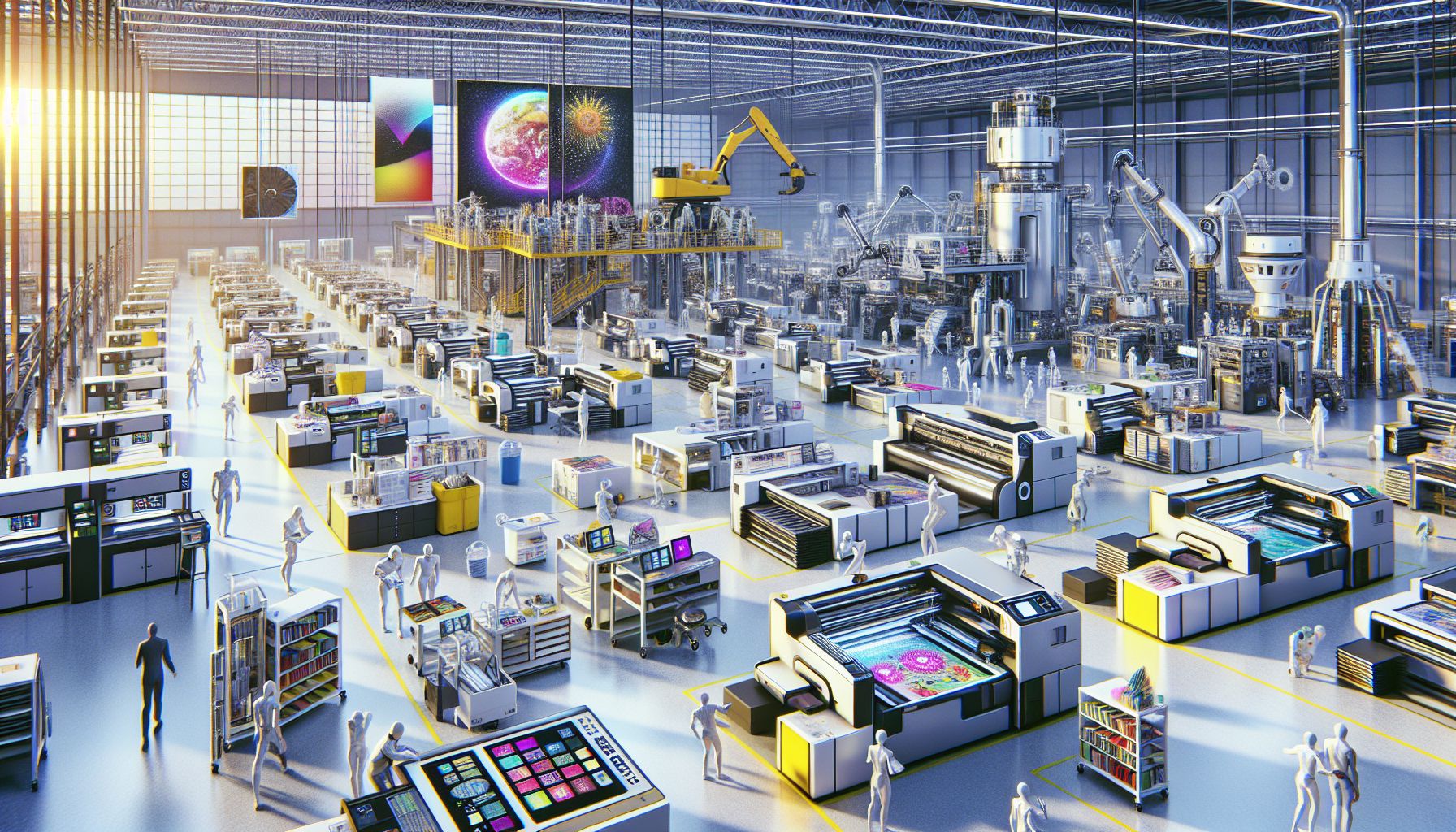
In the dynamic world of printing, the industry’s landscape constantly evolves. This involves not only fundamental shifts in the technology used but also alterations in the consumers’ needs and market demands. To stay ahead, it’s critical to identify and understand the latest trends shaping the future of this industry. From the adoption of digital printing to the rise of personalized printing and sustainable practices, we explore the key trends currently dominating the printing industry.
Digital Printing Taking Center Stage
The advent of digital technologies has brought forth significant changes across all sectors, and the printing industry is no exception. Digital printing, a method of printing from a digital-based image directly to a variety of media, has been gaining traction steadily over the past few years.
Unlike traditional printing techniques that involve plates and a laborious setup process, digital printing allows quicker turnaround times and cost-effective production of small-scale print jobs. Furthermore, digital printing ensures high-quality outputs with vibrant colors and a wide color gamut while also allowing variable data printing – the ability to change the data within each impression – bringing vast possibilities for targeted marketing and customization.
This trend shows no sign of slowing down and is projected to drive the printing industry in the years to come. According to a report by Research and Markets, the global digital print market is anticipated to reach a value of $225.4 billion by 2024, growing at a CAGR of 4.5% between 2022 and 2024.
Personalization Is King
In our modern environment, where consumers are constantly bombarded by marketing messages, generic print materials are often overlooked or discarded. To stand out, businesses are now increasingly leaning toward personalized printing or print personalization.
Print personalization involves creating custom print materials targeted to a specific individual by using their personal data, such as names, locations, or previous purchasing behavior. From personalized direct mail to tailor-made promotional materials, personalized printing adds a unique touch to the customer experience and enhances brand authenticity.
This personalized approach delivers better customer engagement resulting in higher response rates and improved return on investment (ROI). It’s therefore not surprising that this trend is dominating the printing industry, with marketers and businesses utilizing it as a powerful weapon to connect with their target audiences on a more personal level.
Growing Demand for Sustainable Printing Practices
Alongside digitalization and personalization, sustainability is another dominant trend impacting the printing industry. Increasing awareness among consumers about environmental issues and the growing push for businesses to reduce their carbon footprint mean that sustainability is no longer an option but a necessity.
This demand for eco-friendly practices extends to the printing industry, influencing everything from the inks and papers used to the overall printing production process. Use of vegetable-based inks, recycled papers, energy-efficient printing devices, and waste management strategies are growing in popularity as printers worldwide embrace greener working practices.
Moreover, various certifications, such as the Forest Stewardship Council (FSC) certification, are being sought by industry players as a seal of their commitment to sustainable operations, adding credibility to their business in an increasingly environmentally conscious market.
Packaging Printing Becomes a Branding Essential
Packaging has evolved from merely serving a functional purpose — to protect the product — into an important part of the brand’s identity. More companies are now using packaging as a means of communication, a method to convey their brand’s story, and a tool to create memorable customer experiences. This has resulted in a surge in demand for packaging printing.
From high-end finishes like spot UV varnishes, foils, and embossing, to the use of augmented reality, there are myriad ways in which packaging printing can captivate customers and entice them to make a purchase.
Conclusion: Stay Ahead with Adapting Trends
As with most industries, the future of the printing industry is not static. It continues to evolve in response to technological advancements, changing consumer behaviors, and the prevailing market environment.
Digital printing, print personalization, sustainability, and packaging printing all represent current key trends within the industry. By staying aware of these trends and adapting to them, businesses and marketers can make strategic decisions that will keep them ahead in this competitive industry.
Tomorrow’s successful printers will be the ones who observe, understand and act upon these changes in a timely fashion. The more the industry recognizes and adjusts to these trends, the better it will be able to serve its customers – and keep itself alive and thriving in the process.